Unclogging a Carapicuíba SP Drain: What to Have Ready Before You Call
Before you dial anyone, get three things in hand: the exact address with any access notes, a clear description of which fixture is backing up, and a phone that can receive a callback. A reliable desentupidora Carapicuíba SP will ask for those details first, because they decide whether the job is a simple sink clog or a main-line blockage that needs a truck. Having them ready shortens the call and gets a technician moving sooner.
I have handled these tickets long enough to know that most delays are not caused by the clog itself. They come from missing gate codes, locked garages, or a tenant who does not know where the cleanout is. This guide follows the order I use on the phone: requirements first, then the procedure, then the checks that tell you the job is actually finished.
What a Drain Service Needs From You Before Work Starts
Think of this as the intake checklist. If you can answer these points, the dispatcher can classify the call correctly and send the right equipment the first time.
Access and property details
- Full address and unit number, plus the nearest cross street if the building is hard to find.
- Gate codes, intercom instructions, or a concierge name for condominiums.
- Where the cleanout or inspection box is, if you know it. If not, say so; the technician will locate it.
- Whether the property is residential, commercial, or a shared building with multiple units.
Symptoms that narrow the diagnosis
Describe what you see and smell, not what you assume. “The kitchen sink drains slowly and gurgles when the washing machine runs” tells a technician far more than “the pipes are clogged.” Note whether the backup is in one fixture or several, whether water rises in the shower when the toilet flushes, and whether there is a sewage odor outdoors.
Multiple fixtures backing up at once usually points to a main line rather than a single trap. That distinction matters because a branch clog can often be cleared with a hand snake or rod, while a main-line blockage may require hydro-jetting equipment and a larger crew. Getting this right on the phone avoids a second visit.
What to have physically ready
Clear the area around the sink, floor drain, or cleanout. Move boxes, mats, and cleaning supplies out of the way. If a floor drain is under a car in a garage, move the car. Keep pets and children away from the work area, and have a bucket or old towels nearby in case of splash-back. None of this is complicated, but it is the difference between a fifteen-minute job and a forty-minute one.
The Procedure, From First Call to a Working Drain
Here is the sequence as it typically unfolds when you contact a desentupidora Carapicuíba. Timings vary with traffic and job complexity, but the order of steps is consistent.
Step 1: The intake call
The dispatcher records your address, the symptoms, and the property type, then gives you an arrival window. Ask about the call-out fee and how payment works before you hang up. A legitimate emergency service should be able to quote a base visit charge and explain what triggers additional costs, such as after-hours rates or heavy debris removal.
Step 2: On-site inspection
The technician arrives, confirms the symptoms you described, and inspects the accessible points: traps under sinks, floor drains, cleanouts, and any inspection covers. This is where the diagnosis is confirmed. If the blockage is in a branch line, the fix may be quick. If the main line is involved, the technician will explain why and what equipment is needed.
Step 3: Clearing the blockage
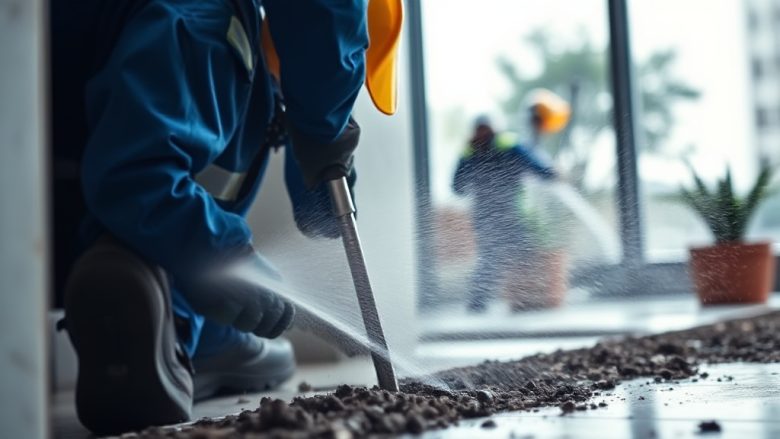
For simple clogs, a hand auger or drain snake is often enough. For grease, roots, or scale in larger pipes, hydro-jetting uses high-pressure water to scour the pipe walls rather than just punching a hole through the blockage. Hydro-jetting cleans the full diameter of the pipe, which reduces the chance of the same clog returning within weeks. In buildings with shared lines, the technician may need to coordinate with neighbors or the building manager before working on a common stack.
Step 4: Flow testing and cleanup
Once the line is open, the technician runs water through every affected fixture to confirm flow and check for backups elsewhere. This step catches partial clears that would otherwise reappear as a callback. The work area is then cleaned, and any debris removed during the job is bagged and taken away.
Step 5: The handover
Before the technician leaves, ask what caused the blockage and what you can do to prevent a repeat. If the cause was grease buildup, roots, or an aging pipe section, that answer shapes your next decision. In some cases the honest answer is that the line needs a camera inspection or a repair, not another clearing. A good technician will tell you that rather than sell you a temporary fix.
What to Check Before You Sign Off
The job is not finished when the water goes down. It is finished when every fixture on the affected line drains normally, there is no gurgling or sewage smell, and the technician has walked you through what was found.
Practical checks you can do yourself
- Run hot water in the sink for a full minute and watch the drain speed.
- Flush the toilet twice and confirm the shower or floor drain does not rise.
- Run the washing machine through a drain cycle if that fixture was involved.
- Smell the area after the technician leaves; a lingering odor can indicate a partial clear or a vent issue.
Questions worth asking at handover
Ask whether the blockage was in a branch line or the main line, whether the pipe condition looked sound, and whether a follow-up inspection is advisable. If the property is a condominium, ask whether the building manager should be notified about a shared-line issue. For commercial kitchens, ask about a grease-trap cleaning schedule, since preventive maintenance is cheaper than an emergency call during service hours.
Warning signs that the job is not done
Slow drainage that returns within a few days, water backing up in a different fixture, or a sewage smell that was not there before are all reasons to call back rather than wait. Most reputable services offer a short warranty window on the clearing itself, so report the problem within that period. If you are in a building and the same line keeps failing, the real issue may be the pipe, not the clog, and a camera inspection is the next step.
Frequently asked questions
How quickly can a technician arrive in Carapicuíba?
Arrival depends on traffic and current call volume. When you call, ask for a realistic window rather than a best-case estimate, and confirm whether after-hours service changes the response time.
Do I need to be home for the service?
For residential jobs, yes, unless you arrange access through a building manager or concierge. For commercial properties, someone with authority to approve the work and payment should be present.
What does a typical clearing cost?
Costs vary with the type of blockage, access difficulty, and time of day. Ask for the base visit fee and the conditions that add cost before work begins, so there are no surprises on the invoice.
Can a clogged drain be fixed without hydro-jetting?
Often yes. Branch-line clogs in sinks and showers are commonly cleared with a snake or auger. Hydro-jetting is typically reserved for main lines, grease-heavy pipes, or recurring blockages where cleaning the pipe wall matters.
Having the intake details ready, understanding the steps, and checking the result before sign-off turns a stressful backup into a routine repair. If the line fails again soon after, treat it as information: the cause was not fully addressed, and a desentupidora em Carapicuíba SP should inspect further rather than simply clear it again.