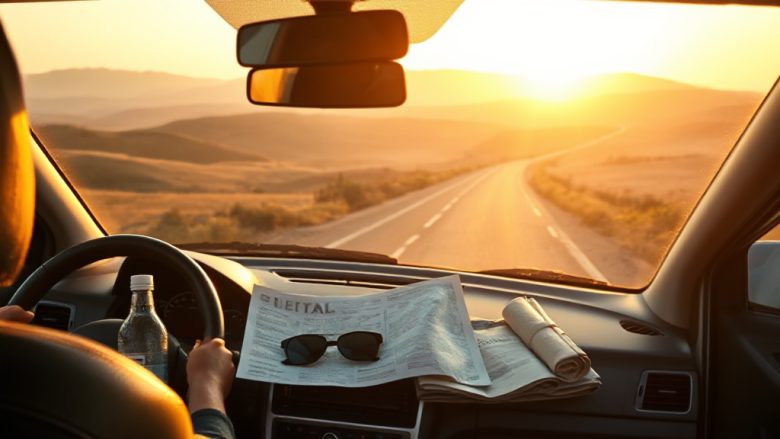
There’s a specific feeling that hits you about ten minutes into your first real road trip. The windows are down, the fuel tank is full, and the road ahead looks like pure possibility. Then a small voice pipes up from the back of your mind: what if something goes wrong? What if the car dies in the middle of nowhere? What if I forgot something important?
That mix of freedom and low-level panic is completely normal. The good news is that most road trip disasters are boring and preventable. These road trips tips for beginners cover the things that actually matter: how to plan a route without overplanning it, what to check on the car, what to pack, and how to handle the problems that show up anyway. Work through the list before you leave and you’ll spend far more time enjoying the drive than worrying about it.
Start With a Route That Fits Your Real Stamina
The single biggest beginner mistake is planning a route based on what looks reasonable on a map rather than what your body can handle. Six hours of driving sounds fine when you’re sitting at a kitchen table. By hour five, with traffic and a full bladder, it feels like a punishment.
A realistic target for a new driver on a road trip is around 300 to 400 miles a day, which works out to roughly five to seven hours behind the wheel once you factor in stops. If you’re sharing driving duty with someone else, you can stretch that. If you’re solo, don’t. Build in a buffer of at least an hour per day for the unexpected: roadworks, a wrong turn, a town you want to explore.
Pick your overnight stops before you leave, but only book the first night and maybe the last. Everything in between can stay flexible. That way, if you discover a place you love, you can stay an extra night without losing money on a booking you can’t cancel. If you’re travelling in peak season, though, book ahead for popular areas. Turning up in a coastal town in August with no reservation is how you end up sleeping in a car park.
Also decide what kind of trip you actually want. A scenic route with lots of stops is a different beast from a point-to-point dash. Beginners often try to do both and end up exhausted. Choose one.
Check the Car Before You Trust It With Your Holiday
Your car is the whole trip. If it fails, everything fails. A week before you leave, do a proper once-over, or pay a mechanic to do it for you. This isn’t about being paranoid; it’s about catching small things before they become roadside emergencies.
Check the tyre pressure and tread on all four tyres, including the spare. A spare that’s flat or missing is worse than useless. Top up the oil, coolant, brake fluid, and windscreen washer fluid. Test every light: headlights, brake lights, indicators, and hazards. If your battery is more than four years old, get it tested. A dead battery in a remote car park is one of the most common breakdown calls, and it’s almost always preventable.
Make sure your breakdown cover is current and actually covers the countries or regions you’re driving through. Read the small print about distance limits and whether recovery is included or just roadside assistance. Keep the policy number and emergency phone number saved somewhere that doesn’t rely on a phone signal, like a screenshot or a piece of paper in the glovebox.
Finally, learn where your spare tyre, jack, and warning triangle live, and how to use them. You don’t need to be a mechanic, but changing a wheel in the rain is a lot less stressful if you’ve practised once in your driveway.
Pack Smart, Not Heavy
New road trippers pack for every possible scenario and end up with a car so full there’s no room to move. The trick is layering: one bag for clothes, one small bag for toiletries, and one box for car essentials. Keep the car essentials accessible and everything else packed away.
For the car itself, you want a few things within arm’s reach: a phone charger and cable, a paper map or downloaded offline maps, sunglasses, a refillable water bottle, and a small torch. A basic first aid kit, some painkillers, and any personal medication go in the glovebox or a side pocket. Bring a blanket and a rain jacket even if the forecast is perfect, because forecasts change and breakdowns happen at night.
For clothes, pack for the coldest and wettest weather you might hit, not the warmest. Layers beat bulk. Comfortable shoes matter more than you think, especially if you’re doing any walking at stops. And bring a laundry bag, because dirty clothes have a way of taking over the whole car by day three.
One thing beginners always forget: entertainment for the boring stretches. A good playlist, a podcast, or an audiobook makes long motorway hours pass much faster. Download everything before you leave, because signal drops exactly when you need it most.
Build Good Habits on the Road
The way you drive on a road trip is different from your daily commute. You’re tired, you’re in unfamiliar places, and you’re tempted to push on to reach the next stop. Resist that temptation.
Take a proper break every two hours, even if you don’t feel tired. Get out, walk around, stretch your legs, and drink water. Fatigue sneaks up on you, and the moment you notice you’re tired is often the moment you should have stopped twenty minutes ago. If you’re sharing the driving, swap every couple of hours rather than waiting until one person is exhausted.
Keep your fuel tank above a quarter. In rural areas, petrol stations can be far apart, and some close early. Filling up when you see a station is a habit that saves you from a very long walk. The same goes for food and water: buy supplies when you pass a shop rather than assuming there’ll be one at the next exit.
Stay off your phone while driving. Set up navigation before you pull away, and if you need to change something, pull over. It sounds obvious, but it’s the kind of thing that slips when you’re trying to find a turning in an unfamiliar town.
Common Problems and How to Fix Them
Things will go wrong. Not catastrophically, usually, but in small annoying ways. Here’s how to handle the most common ones.
A flat tyre. Pull over somewhere safe and flat, well away from traffic if possible. Put your hazard lights on and get everyone out of the car on the side away from the road. If you’re on a busy motorway, call for help rather than attempting a change yourself. On a quiet road, change to the spare and get the damaged tyre repaired or replaced at the next town.
A dead battery. If you have jump leads and someone willing to help, you can get going again. If not, this is what breakdown cover is for. Once you’re moving, drive for at least twenty minutes to recharge the battery, and get it checked properly before you continue your trip.
Getting lost or losing signal. Don’t panic and don’t make sudden turns. Pull over somewhere safe, check your offline map, and work out where you are. If you’re truly stuck, ask at a petrol station or shop. Local knowledge beats a phone with no bars every time.
Feeling unwell or exhausted. Stop. Find a place to rest, even if it means adjusting your plans. Pushing through when you’re ill or overtired is how small problems turn into dangerous ones. No itinerary is worth your safety.
Car trouble you can’t diagnose. Strange noises, warning lights, or a loss of power all mean the same thing: stop driving and get it looked at. Continuing to drive a car that’s clearly unhappy usually makes the repair bill bigger.
Your Printable Pre-Trip Checklist
Before you leave, run through this list. It takes ten minutes and saves hours of stress.
Route planned with realistic daily distances and at least one buffer hour. First and last night’s accommodation booked. Car checked: tyres, fluids, lights, battery, wipers. Breakdown cover confirmed and emergency number saved offline. Spare tyre, jack, and warning triangle present and understood. Phone charger, offline maps, and paper map packed. Water, snacks, first aid kit, and any medication in the car. Weather-appropriate layers and comfortable shoes. Entertainment downloaded. Fuel tank full and a habit of refuelling early.
Tick those off and you’ve handled the vast majority of what could realistically go wrong. The rest is just driving, which is the fun part.
Frequently Asked Questions
How far can a beginner realistically drive in one day?
Aim for 300 to 400 miles, or five to seven hours of actual driving. That leaves room for breaks, meals, and the unexpected. If you’re a new driver or travelling alone, err on the shorter side. Long days look impressive on paper and feel miserable in practice.
What should I do if I break down somewhere remote?
Pull as far off the road as you safely can, turn on your hazard lights, and get everyone out on the side away from traffic. Call your breakdown service and give them your location, using a map app pin if you have signal. Stay with the car unless it’s unsafe to do so. Keep water and a blanket accessible in case you have to wait.
Do I really need breakdown cover for a short trip?
Yes. Breakdowns don’t check how far you’re going. A single tow from a remote area can cost more than a year of cover. Check what your policy includes before you leave, especially if you’re crossing borders, and save the emergency number somewhere you can reach it without a signal.
How do I stop myself from overpacking?
Pack for the trip you’re actually taking, not every trip you can imagine. Lay out everything you plan to bring, then remove a third of it. Stick to layers for clothing and keep car essentials in one small box. If you haven’t used something by the halfway point, you probably didn’t need it.
Your first road trip doesn’t have to be perfect. It just has to be safe, manageable, and fun enough that you want to do it again. Plan the route, check the car, pack light, and stop when you’re tired. Do those four things and you’ll be fine. The open road is more forgiving than you think, and most of the stories you’ll tell afterwards come from the small hiccups, not the smooth stretches. Go enjoy it.